Making Sense of the New Dietary Guidelines



Ask Theresa is an advice column by Theresa Link. A Virta Health Coach since 2015 and a loyal follower of the ketogenic lifestyle, Theresa is a Registered Dietitian who is an expert in living a metabolically-healthy life.
This week, Theresa breaks down the newly released 2026 Dietary Guidelines for Americans—cutting through the confusion, calling out the outdated criticism, and highlighting the progress that actually matters. From the renewed focus on real food to a major shift away from ultra-processed carbs, here’s what the guidelines get right, where the dissonance still lives, and why Virta members are already ahead of the curve.
❓Question:
Theresa,
I keep seeing posts about the 2026 Dietary Guidelines for Americans all over my Facebook and Instagram feeds, and honestly, I’m getting mixed messages from the nutrition experts I follow. Can you help make sense of all this?
Sincerely,
Struggling with Dietary Dissonance
👩💻 Theresa:
Dear Struggling,
Dang, five-star word there—dissonance. I’m impressed! And honestly, it perfectly captures the confusion surrounding the release of the 2026 Dietary Guidelines. A lot of nutrition “experts” who still cling to outdated science are loudly raising concerns.
But we also have real, science-based nutrition experts—Ben Bikman, Mark Hyman, Jason Fung, Nina Teicholz (oh—and me!)—weighing in, too.
The consensus? The 2026 Dietary Guidelines for Americans show phenomenal progress. They’re not perfect, but they’re a huge step in the right direction toward actually addressing metabolic disease and preventive health.
So what changed? Let’s get into the details.
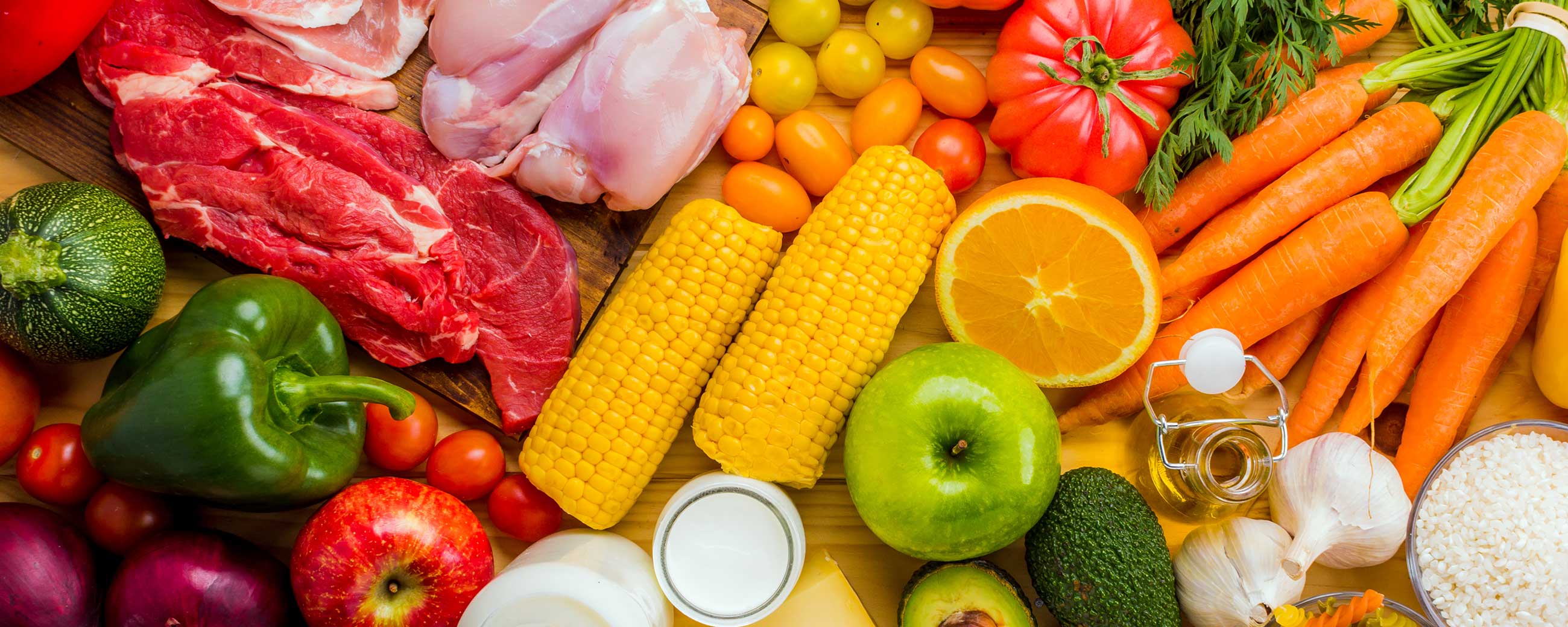
They told us to eat real food
The focus on eating real food and dramatically reducing our intake of processed food represents fantastic progress in the fight against metabolic disease. It also aligns nicely with Virta’s point of view: you can reverse metabolic disease while enjoying delicious and satisfying whole foods—no bars, shakes, meal delivery kits, or frozen meals required. Plus, those aren’t cheap! Filling your plate with quality protein, non-starchy veggies, and healthy fats is all you need to feel satisfied and support long-term health.
They flipped the pyramid on its head
Protein and non-starchy veggies now take the top spot, followed by low-sugar fruits and healthy fats, then higher-sugar fruits, and finally, BAM! Grains at the very bottom. Crying tears of joy over here!
Thanks to the tireless efforts of science journalist Nina Teicholz and Virta co-founder Dr. Jeff Volek—who pushed for science over dogma—the focus has shifted away from a low-fat, high-carb diet with little accountability for sugar, toward an approach centered on lower-carb foods and healthy fats.
Why? Because that’s what will actually improve metabolic health.
They did confuse us a little (and the critics didn’t help)
Critics did accurately point out that the guidelines cap saturated fat intake at 10%, while simultaneously encouraging us to eat animal proteins, full-fat dairy, and cooking with butter and beef tallow. That’s confusing, and a fair point to call out.
But there’s also nuance here. Saturated fat isn’t a food. Beef, pork, butter, and cheese are foods, and they happen to be high in saturated fat while also being highly nutritious. However, when saturated fat is paired with foods high in sugar and refined carbs—think fast food, pastries, and ice cream—the outcome is very different. Saturated fat can’t be evaluated in isolation; it has to be considered in the context of the whole food.
Second, opponents of the guidelines argue they shouldn’t reference the old food pyramid because it hasn’t been used since the ’90s. While true, over time it was just repurposed into a flashier pyramid, then a plate. The fundamentals didn’t really change. But sure, going from a pyramid to another pyramid to a plate and then back to a pyramid has led to some minor whiplash.
They called out the real price we pay for poor nutrition
Some naysayers claim nutritious foods like fresh vegetables, fruits, and unprocessed meats are unaffordable, leaving people no choice but to lean on fast food, chips, and Frosted Flakes. Turns out you can snag a rotisserie chicken and a head of broccoli for about the same price as a cheeseburger value meal, so that argument doesn’t hold much water.
What gets really expensive is the long-term cost of poor nutrition: chronic health problems, ongoing medications, and preventable disease that add up over time—costs that show up as doctor visits, prescriptions, lost energy, reduced productivity and lower quality of life.
Bottom Line
At the end of the day, the 2026 Dietary Guidelines aren’t perfect—but they’re finally moving in the direction we desperately need. They emphasize real food, prioritize protein, wag their finger at processed junk, and start to acknowledge what the science has been showing for years: metabolic health matters. For Virta members, none of this is new—it’s simply validation that eating real food, lowering carbs, and focusing on sustainable habits actually works.
This blog is intended for informational purposes only and is not meant to be a substitute for professional medical advice, diagnosis, or treatment. Always seek the advice of your physician or other qualified health provider with any questions you may have regarding a medical condition or any advice relating to your health. View full disclaimer
Are you living with type 2 diabetes, prediabetes, or unwanted weight?